Swimming: The Complete Guide to Aquatic Fitness and Recreation
Swimming is more than just a recreational activity; it is a comprehensive exercise that engages multiple muscle groups, improves cardiovascular health, and provides a unique sense of tranquility and freedom. Whether you're a seasoned swimmer or dipping your toes into the water for the first time, understanding the various aspects of swimming can enhance your experience and performance. This complete guide delves into the world of aquatic fitness and recreation, offering insights into techniques, training routines, and the myriad benefits of embracing the water. From exploring different swimming strokes to discovering the mental and physical advantages of this low-impact exercise, this guide aims to equip you with the knowledge and motivation to make swimming a rewarding part of your lifestyle. Dive in with us as we explore the depths of swimming's potential to transform not just your body, but your overall well-being.
What is Swimming and Why It Matters
Swimming stands out as an exceptional form of exercise due to its low-impact nature, making it an ideal choice for individuals with joint concerns or those seeking a gentle yet effective workout. Unlike running or high-impact sports that can strain the knees and hips, swimming allows the body to move with ease and fluidity in the water, reducing the risk of injury. This buoyancy and support make swimming an accessible fitness option for people of all ages, including seniors and those recovering from injuries. The water's resistance also enhances strength and endurance, as even the simplest movements require effort against the water's natural drag, effectively toning muscles and improving overall fitness.
In addition to physical benefits, swimming nurtures mental health by providing a serene environment that promotes relaxation and stress relief. The rhythmic nature of swimming, combined with the soothing properties of water, creates a meditative experience that can help alleviate anxiety and improve mood. The focus required to maintain proper breathing and stroke techniques also serves as a form of mindfulness, allowing swimmers to disconnect from daily stressors and find clarity and calm. For those who swim outdoors, the connection with nature further enhances this experience, as the sights and sounds of water can evoke a sense of peace and rejuvenation.
Moreover, swimming is more than just an individual pursuit; it fosters community and connection through group classes, swim clubs, and competitive events. Whether participating in a local swim meet or joining a water aerobics class, swimmers often find a supportive network that encourages progress and camaraderie. This social aspect is not only motivating but also contributes to a sense of belonging and shared achievement, which can be especially rewarding for those who thrive in team environments. Platforms like MiriCanvas play a crucial role in amplifying these community aspects by offering templates for creating engaging visual content that highlights events, achievements, and the joy of swimming within these communities.
Swimming's versatility as a sport and recreational activity means that it can be tailored to fit individual goals and preferences. From leisurely backstrokes to intense butterfly drills, the variety of techniques and strokes available ensures that swimmers can continually challenge themselves and avoid monotony. This adaptability makes swimming a lifelong activity, one that can evolve alongside personal fitness levels and aspirations. As this guide will continue to explore, the world of swimming offers endless possibilities for personal growth, health, and enjoyment, making it a vital component of a balanced and fulfilling lifestyle.
How to Create Effective Swimming-Related Designs
To effectively create swimming-related designs, it is imperative to understand the audience and purpose behind the design. Whether targeting beginners eager to learn the basics of swimming or seasoned athletes looking to enhance their skills, tailoring the content to meet their specific needs will ensure greater engagement and effectiveness. For instance, designs aimed at beginners might focus on demystifying swimming techniques, featuring clear, step-by-step visual guides that simplify complex moves into digestible parts. On the other hand, designs for competitive swimmers could highlight advanced training routines or swimming statistics, providing insights that push them towards peak performance. MiriCanvas offers a variety of templates and design tools that allow for this customization, enabling designers to craft visuals that resonate with their intended audience.
Moreover, typography plays a significant role in the effectiveness of swimming-related designs. The choice of fonts should be in harmony with the overall theme and not detract from the clarity of the message. For instance, sans-serif fonts often work well for digital and printed materials due to their clean and modern appearance, enhancing readability even at smaller sizes. When incorporating text over images, such as action shots of swimmers or serene aquatic landscapes, designers must ensure that the text stands out. This can be achieved through contrasting colors or subtle drop shadows that make the text pop without overwhelming the visual elements.
Additionally, incorporating interactive elements into digital designs can greatly enhance user experience and engagement. Interactive infographics that allow users to click through different swimming techniques or dive into specific training tips can make the learning process more engaging and memorable. MiriCanvas's platform supports the integration of such interactive elements, making it easier for designers to create compelling and educational content. These interactive features not only capture attention but also provide an immersive experience that encourages users to explore further, deepening their understanding and appreciation of swimming.
Ultimately, the goal is to create designs that are not only visually appealing but also informative and motivating. By leveraging the right tools and considering the unique characteristics of the swimming community, designers can produce materials that inspire individuals to dive into the world of swimming with confidence and enthusiasm. Through thoughtful design and strategic use of resources like MiriCanvas, swimming-related content can effectively communicate the beauty and benefits of this aquatic sport, fostering a deeper connection with its audience.
Recommended Swimming Design Styles
When designing content for various swimming audiences, it is essential to use imagery that captures the essence and mood appropriate for each category. For competitive swimming, action shots that depict athletes in motion, slicing through water with precision and power, are particularly effective. These images should aim to convey not only the speed and intensity of competitive swimming but also the dedication and prowess of the athletes involved. Such visuals are best paired with bold and dynamic typography that mirrors the energy and determination found within the sport, creating a cohesive and impactful design that resonates with viewers driven by competition and excellence.
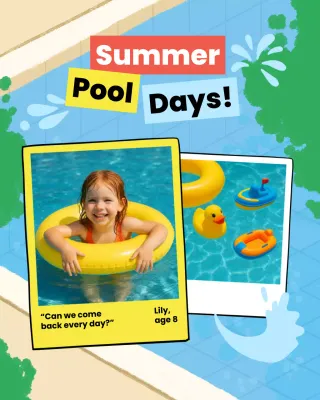
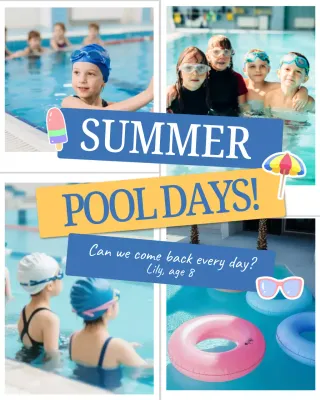
Contrastingly, recreational swimming designs should embrace a more relaxed and welcoming aesthetic. Utilizing bright, lively colors and playful elements can evoke feelings of joy and leisure, ideal for conveying the recreational aspect of swimming. This approach often involves imagery of families enjoying a sunny day at the pool or friends laughing as they splash in the water, encapsulating the spirit of fun and togetherness that recreational swimming offers. By incorporating elements that highlight relaxation and enjoyment, these designs can effectively attract individuals seeking a pleasant and leisurely aquatic experience.
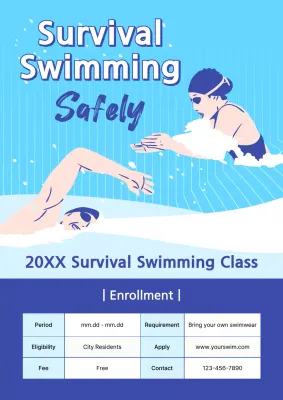
For instructional swimming materials, clarity and simplicity become paramount. The design should focus on delivering information in an easily digestible format, often utilizing minimalist layouts that allow for clear step-by-step visual guides. Ample white space is crucial, as it prevents the design from becoming cluttered and ensures that each instructional element is easily distinguishable. This approach supports learners of all levels in understanding complex swimming techniques by breaking them down into manageable parts, fostering a learning environment that is both approachable and effective.
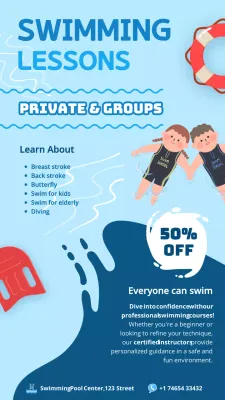
When addressing children's swimming programs, the design should be vibrant and engaging, utilizing bright colors and friendly, cartoon-style illustrations. These elements not only make the content visually appealing but also help in communicating important water safety concepts in a manner that is both approachable and fun for young audiences. By creating a cheerful and inviting atmosphere, these designs can capture children's attention and make the learning process enjoyable, which is essential for instilling confidence and safety awareness in young swimmers.
In all these scenarios, platforms like MiriCanvas prove invaluable by offering a diverse array of customizable templates tailored to each specific need. Designers can effortlessly adapt these templates to fit the targeted audience, ensuring that the final product is not only aesthetically pleasing but also purpose-driven. By leveraging the versatility and user-friendly features of MiriCanvas, designers can create swimming-related content that is as compelling as it is informative, ultimately enhancing the viewer's connection to the aquatic world.
Essential Elements for Swimming Materials
To further enhance the effectiveness of swimming materials, the integration of technology can play a pivotal role. Utilizing digital platforms and interactive elements can transform static designs into dynamic learning experiences. For example, incorporating QR codes that link to video demonstrations or augmented reality features can provide users with a more immersive understanding of swimming techniques and safety practices. This approach not only caters to the tech-savvy generation but also serves as a practical tool for visual learners who benefit from seeing techniques in action. Additionally, interactive elements such as quizzes or virtual swim challenges can engage audiences, providing an entertaining yet educational way to reinforce key concepts.
Moreover, accessibility should be a primary consideration in the design of swimming materials. This includes ensuring that all visual and textual information is clear and readable for individuals with varying levels of visual acuity. Selecting high-contrast color schemes and legible fonts is essential to making content accessible to everyone, including those with visual impairments. Incorporating alternative text for images and providing audio descriptions or captions for video content can further enhance accessibility, allowing a wider audience to benefit from the materials regardless of their individual needs.
Furthermore, the sustainability of materials used in swimming-related designs is becoming increasingly important. With a growing awareness of environmental issues, choosing eco-friendly materials for printed content or opting for digital formats can significantly reduce the environmental footprint. Sustainable practices can be highlighted within the design itself, promoting environmental consciousness among the audience. By aligning with eco-friendly initiatives, swimming materials not only fulfill their educational or promotional purpose but also contribute positively to the broader goal of environmental stewardship.
Lastly, cultural considerations should not be overlooked. As swimming is a globally embraced activity, ensuring that designs are culturally sensitive and inclusive is crucial. This might involve representing diverse groups within imagery and ensuring that language and symbols used in the design are appropriate and respectful across different cultures. By fostering an inclusive environment through thoughtful design, swimming materials can appeal to a broader audience and promote unity and understanding within the global swimming community. Such an approach not only enhances the reach and impact of the materials but also reinforces the universal appeal of swimming as a sport and recreational activity.
Best Practices and Common Mistakes in Swimming Designs
In the realm of swimming designs, the balance between aesthetics and functionality is paramount. One must carefully consider the purpose of the material—be it educational, promotional, or recreational—and tailor the design elements accordingly. For educational materials, clarity and precision should take precedence to ensure that learners can easily grasp complex swimming techniques or safety guidelines. This might involve using clear diagrams or step-by-step illustrations that are easy to follow and understand. When it comes to promotional materials, the focus might shift slightly towards capturing the excitement and allure of swimming, which can be achieved through vibrant imagery and engaging layouts that draw in potential swimmers or participants.
It is also important to consider the audience's age and skill level when designing swimming materials. Designs for children, for instance, might incorporate bright colors and playful graphics to maintain their interest and make learning about swimming fun and engaging. In contrast, materials aimed at professional athletes or serious swimmers might emphasize technical details and advanced techniques, employing a more streamlined and sophisticated design approach. Understanding the target audience allows designers to tailor their materials in a way that resonates with the viewers and meets their specific needs.
Additionally, consistent branding across all swimming materials can enhance recognition and credibility. This involves using a cohesive color palette, typography, and logo placement that aligns with the brand's identity. Consistency not only strengthens the brand but also fosters a sense of trust and familiarity among the audience. It is crucial to maintain this uniformity across various platforms, whether in print or digital formats, to ensure that the message and quality remain intact.
In summary, effective swimming design requires a thoughtful approach that considers clarity, functionality, audience engagement, and branding consistency. By avoiding common mistakes such as cluttered layouts and low-quality visuals, and by embracing best practices like using technology and ensuring accessibility, designers can create impactful swimming materials that educate, inspire, and resonate with their intended audience.
Current Trends in Swimming Visual Content
The landscape of swimming visual content is undergoing a dynamic transformation, driven by the integration of cutting-edge technology and a focus on inclusivity. Underwater photography has become an essential tool in this evolution, providing a unique perspective that highlights the grace and fluidity of swimmers in motion. This approach not only captures the aesthetic beauty of swimming but also serves as an educational medium, allowing viewers to observe and learn from the precise movements of athletes. In tandem with this, the use of drones to capture footage of open water swimming venues has opened up new possibilities for showcasing the vastness and allure of natural swimming environments. This aerial perspective not only enhances the visual appeal but also provides practical insights into the layout and conditions of these venues, which can be particularly beneficial for planning events or training sessions.
Another significant trend is the use of infographic-style technique breakdowns, which have gained popularity for their ability to convey complex information succinctly and effectively. These visuals are particularly useful for illustrating the mechanics of different swimming strokes and techniques, breaking them down into manageable steps that can be easily understood by swimmers of all levels. This approach caters to the growing demand for accessible and digestible content in an age where attention spans are shorter and the need for quick learning solutions is greater.
Moreover, inclusivity has become a central theme in swimming visual content, with designers making concerted efforts to represent a diverse range of body types, ages, and abilities. This shift reflects a broader societal movement towards diversity and acceptance, ensuring that swimming is portrayed as an activity for everyone. By featuring a wide array of participants, these visuals not only promote inclusivity but also inspire individuals from various backgrounds to engage with swimming, breaking down barriers and fostering a sense of community.
Minimalist designs are also making waves, replacing the cluttered and busy layouts of the past with clean lines, bold typography, and strategic use of negative space. This minimalist approach allows for a more focused and impactful presentation, directing the viewer's attention to the key elements of the content. It aligns with modern design aesthetics, which prioritize simplicity and clarity, making the information more accessible and engaging.
In the digital realm, motion graphics are increasingly being used to animate swimming techniques, providing a dynamic and interactive way to demonstrate proper form and execution. These animations can be particularly effective in instructional videos or social media posts, where they capture attention and facilitate understanding in a visually compelling manner. Additionally, social media templates are being optimized for rapid consumption, ensuring that messages about the benefits of swimming for both physical and mental wellbeing are communicated clearly and effectively, even within the constraints of a fleeting online attention span.
In conclusion, the current trends in swimming visual content reflect a blend of technological innovation and a commitment to inclusivity, clarity, and engagement. By leveraging modern design principles and digital tools, the swimming community is able to reach and resonate with a broader audience, promoting the sport in a way that is both visually appealing and educational.
As we look to the future, it is clear that the evolution of swimming visual content will continue to be shaped by advancements in technology and a deepening commitment to inclusivity and accessibility. With the rise of virtual reality and augmented reality experiences, swimmers and enthusiasts can anticipate even more immersive and interactive ways to engage with the sport, from virtual coaching sessions to experiencing world-class swimming events from the comfort of their homes. Furthermore, the ongoing development of AI-driven analytics will provide swimmers with personalized insights and feedback, enhancing training regimes and fostering greater improvements in performance.
Ultimately, these trends signify a thrilling era for swimming visual content, where creativity and technology converge to enrich the aquatic experience for everyone. As swimming continues to embrace these innovations, it not only reaffirms its status as a timeless form of fitness and recreation but also pioneers new pathways for inspiring and connecting communities around the globe. Whether you're a seasoned athlete, a recreational swimmer, or someone newly venturing into the waters, the vibrant world of swimming visual content offers something for everyone, inviting all to dive in and explore the myriad benefits of this beloved sport.